How Dental Crowns in Oxnard CA Help Preserve Tooth Structure
A dental crown often gets described as a cap, but that shorthand misses the real value of the treatment. A well-made crown is less about covering a tooth and more about keeping what remains of that tooth functioning for years. In practice, preserving tooth structure is one of the main reasons dentists recommend crowns at all. The goal is not to remove healthy enamel for the sake of a cosmetic fix. The goal is to protect a compromised tooth before cracks deepen, chewing forces split weakened walls, or decay reaches a point where far more aggressive treatment becomes necessary.
That distinction matters to patients in a place like Oxnard, where daily habits, long commutes, sports, coffee, and the usual wear of life all add up. Teeth rarely fail all at once. More often, they wear down gradually, pick up a large filling, develop a fracture line, or come out of a root canal more brittle than before. A crown steps in at that point, when the tooth still has something worth saving.
The real job of a crown
Natural tooth structure is strongest when it is continuous. Once decay, trauma, or an old filling interrupts that structure, the tooth does not distribute pressure as efficiently. Small stresses become concentrated in thin areas. That is why a back molar with a wide filling can feel fine for years and then suddenly crack while chewing something ordinary.
A crown works by surrounding and supporting the remaining tooth. It changes how force travels through the tooth during biting and grinding. Instead of asking a weakened cusp or thin wall to absorb all the load, the crown helps spread that force more evenly. For molars and premolars in particular, that can be the difference between a restorable tooth and one that fractures below the gumline.
The preservation angle is easy to overlook because crowns do involve reshaping the tooth. Patients sometimes hear that and assume the treatment is inherently destructive. In reality, the reshaping is controlled and purposeful. The dentist removes only what is needed to create space for strong restorative material and a stable fit. When done well, the crown preserves the deeper foundation of the tooth by sacrificing a small amount of external structure to prevent a much larger loss later.
When a filling is no longer enough
There is a tipping point where another filling stops being the conservative choice.
Many people assume the smallest procedure is always the one that saves the most tooth. Sometimes that is true. If a cavity is small and surrounded by healthy enamel, a filling is often the right answer. But once a tooth has lost too much structure, especially across chewing surfaces or around one or more cusps, a filling can become a temporary patch on a failing frame.
Dentists see this often with large old silver fillings, recurrent decay around composite restorations, and teeth that have already been repaired several times. Each replacement usually requires removing a little more compromised material. Over time, the remaining tooth becomes thinner and weaker. At that stage, placing yet another filling may preserve a few extra millimeters that day, but it can leave the tooth vulnerable to a major fracture six months later.
That is one of the common clinical judgments behind recommending Dental Crowns Oxnard CA patients ask about. The crown is not necessarily larger treatment for the sake of being larger. It can be the Dental Crowns Oxnard CA more protective, more durable choice when the tooth has crossed the line from repairable with an internal patch to needing full-coverage reinforcement.
Teeth that benefit most from crown protection
Some teeth are especially likely to need crown support because of the loads they carry or the condition they are in.
- Back molars with wide fillings or cracked cusps
- Teeth after root canal therapy, especially posterior teeth
- Front teeth broken in an accident or from severe wear
- Teeth with heavy erosion from acid exposure or grinding
- Teeth supporting a bridge or topping a dental implant
The reasoning changes from case to case. A molar that absorbed years of chewing stress may need a crown because one corner is starting to split. A front tooth may need one because trauma sheared off too much enamel for bonding alone to hold predictably. A root canal tooth often needs a crown because, once internal decay or infection has been removed, the remaining shell can become more prone to fracture under pressure.
How crowns preserve teeth after root canal treatment
Patients are often surprised that a tooth can stop hurting after a root canal and still need additional protection. From the outside, that can feel like overtreatment. Clinically, it is often the opposite.
A tooth usually needs root canal therapy because deep decay, a crack, or trauma affected the pulp. By the time the canal treatment is complete, a meaningful amount of the internal tooth has already been compromised. In many cases, there is also a large filling or missing cusp. The nerve has been treated, but the biting structure has not been restored to full strength. Dental Crowns Oxnard CA omnidentalspecialty.com Without crown coverage, especially on molars, the risk of fracture remains significant.
I have seen this play out in a very ordinary pattern. A patient gets a root canal, feels better, delays the crown because the pain is gone, and returns months later after biting on a piece of bread, a nut, or even just clenching during sleep. The tooth cracks, often in a way that was preventable. The difference between saving that tooth and losing it can be timing.
This is where crowns are genuinely tooth-saving. They help retain the natural root and remaining tooth walls rather than waiting for those structures to fail.
Preserving structure is also about timing
The best crowns are often placed before a tooth reaches a crisis.
That sounds obvious, but many people understandably wait until something hurts. The challenge is that cracked teeth and failing restorations do not always announce themselves with pain. A cusp can be flexing microscopically for months. A margin around an old filling can be leaking. A tooth can still be functional while gradually moving toward a fracture that will involve the root.
Early intervention tends to preserve more structure. If a dentist catches a crack while it is confined to the crown portion of the tooth, treatment is usually more straightforward. If the patient waits until the crack deepens or a section breaks off, the crown may require a build-up, a post, crown lengthening, or may no longer be possible at all.
The practical takeaway is not that every worn tooth needs a crown. It is that postponing evaluation often narrows your options. Conservative dentistry depends as much on timing as on technique.
What the preparation actually removes, and why
One of the most common concerns patients voice is straightforward and reasonable: “If you have to shave the tooth down, how is that preserving it?”
The answer lies in the difference between strategic reduction and structural loss from uncontrolled fracture or decay. Crown preparation removes enough outer material to create room for the final restoration. That clearance matters. A crown that is too thin may fail, and one that is bulky can create bite and gum problems. The dentist balances those factors while preserving as much sound tooth as possible.
The amount removed depends on the crown material and the condition of the tooth underneath. A heavily broken-down molar with old restorative material may require relatively little removal of untouched enamel because much of the needed space already exists. By contrast, an intact tooth being crowned for severe wear may need more careful reduction to create ideal contours. Precision matters here. Over-preparation weakens teeth unnecessarily. Under-preparation can create a crown that is fragile or poorly shaped.
This is why experience and planning matter so much in restorative dentistry. Good crown work is not just about taking an impression and sending it to a lab. It is about deciding where structure can be preserved, where support must be created, and how the final crown will protect the tooth in the long term.
Material choice affects preservation
Not all crowns behave the same way, and material selection can influence how much tooth structure must be adjusted.
All-ceramic crowns can be excellent for esthetics, particularly in visible areas, and newer ceramics are much stronger than older generations. Zirconia has become popular because it can be durable and relatively conservative in some situations. Porcelain-fused-to-metal crowns remain useful in specific cases, though they may require different space considerations. Full gold crowns, while less common today for cosmetic reasons, still have a reputation among many experienced clinicians for exceptional longevity and kind wear characteristics against opposing teeth.
There is no universal best material. The right choice depends on the tooth’s location, the patient’s bite, grinding habits, esthetic priorities, and the amount of remaining tooth structure. A patient who clenches heavily at night may need a different solution than someone restoring a visible upper premolar with modest bite forces. Material choice should support preservation, not just appearance.
For patients researching Dental Crowns Oxnard CA providers, this is one of the better questions to ask during a consultation: why this material for this tooth? A sound answer should connect the recommendation to function, durability, and the amount of structure left to protect.
Crown margins and the importance of fit
A crown only protects a tooth if it fits precisely.
The margin, where the crown meets the tooth, is a critical area. If that edge is open, rough, or poorly adapted, bacteria can collect there and recurrent decay can develop underneath. A crown can look acceptable in the mirror and still fail biologically if the seal is poor. That is one reason quality matters more than speed or price alone.
A well-fitting crown should blend into the tooth at the gumline, support cleaning, and sit correctly in the bite. If it is too high, the tooth can take excessive force and become sore or crack further. If contacts are too loose, food traps may irritate the gums. If contours are overbuilt, plaque retention increases. These are not cosmetic details. They directly affect whether the underlying tooth stays healthy.
Preserving tooth structure does not end when the crown is cemented. The restoration has to coexist with the gums, the bite, and neighboring teeth every day.
The role of modern imaging and digital design
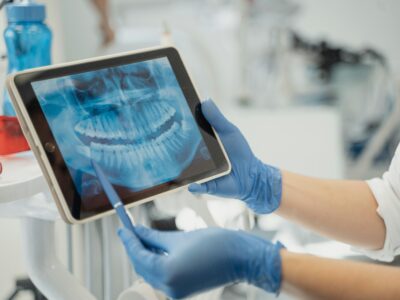
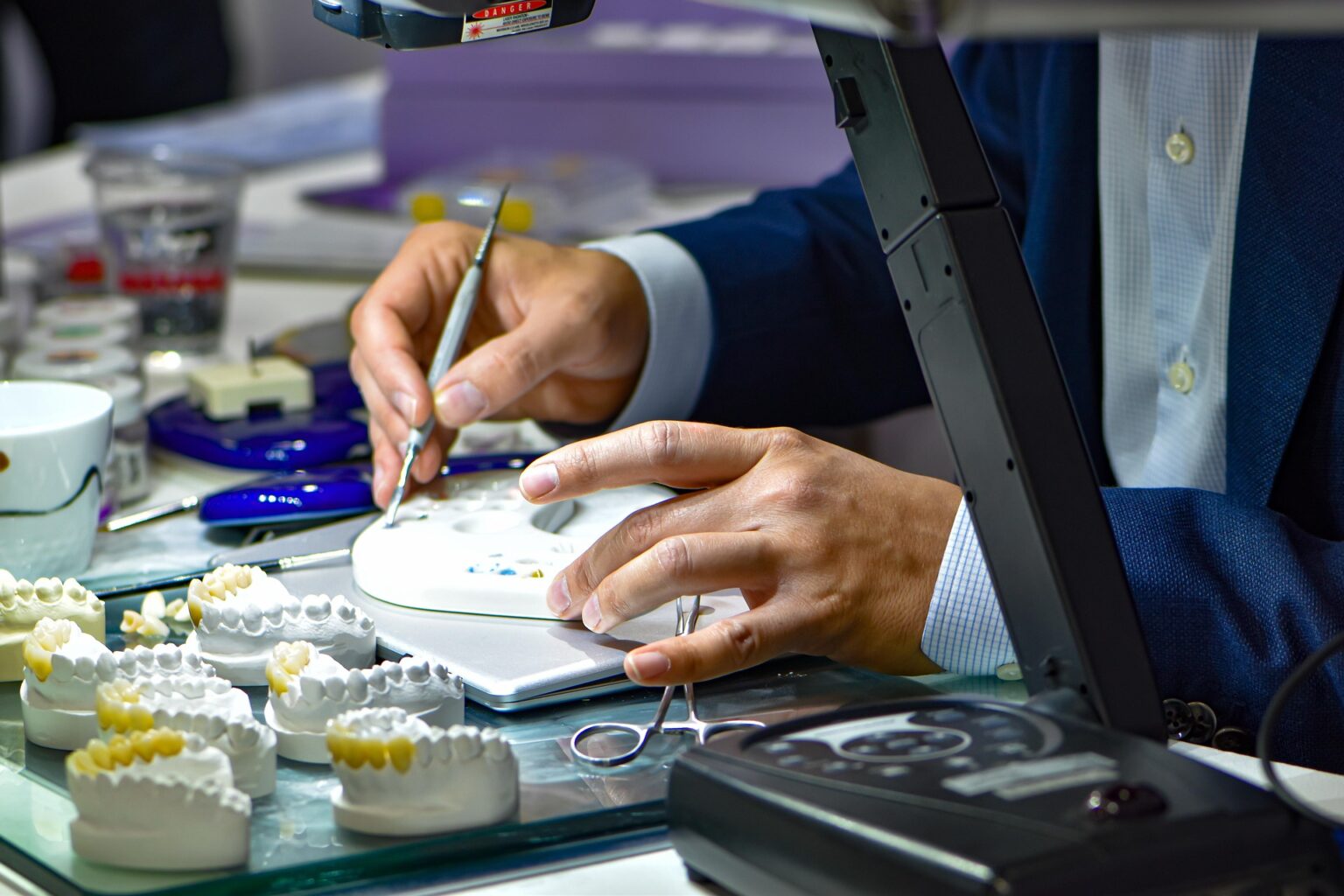
Dental technology has improved crown treatment in practical ways. Digital scans can capture fine detail without traditional impression material in many offices. Better imaging helps dentists evaluate cracks, existing restorations, and remaining tooth thickness. Computer-guided design and refined lab workflows can improve fit and consistency.
Still, technology is only as good as the judgment behind it. A scanner cannot decide whether a cracked tooth is restorable. A milling unit cannot determine the ideal margin location if the diagnosis was off from the start. The strongest restorative outcomes still come from combining careful examination with appropriate tools.
Patients sometimes assume same-day crowns are always the superior option because they sound more advanced. They can be an excellent choice in the right hands and case selection, but not every tooth is a same-day case. Some restorations benefit from custom lab work, layered esthetics, or more complex planning. Preservation depends on precision, not marketing language.
Situations where a crown may not be the first choice
Crowns are valuable, but good dentistry also means knowing when not to use them.
If a cavity is small and the surrounding tooth is strong, a filling is usually more conservative. If damage is limited to a front tooth edge, bonding or a veneer may preserve more enamel. If a crack extends too far below the gum or into the root, a crown may not save the tooth. If the remaining structure is minimal, the dentist may need to discuss whether crown lengthening, orthodontic extrusion, or extraction with replacement makes more sense.
This matters because patients sometimes hear “crown” and think it is a default answer to any tooth problem. It is not. The best treatment is the one that preserves function and biology with the least necessary intervention. Sometimes that is a crown. Sometimes it is not.
What patients can do to help a crown preserve the tooth
A crown is not armor. It strengthens and protects, but the underlying tooth still depends on daily care and habit control.
- Brush thoroughly along the gumline and floss around the crown every day
- Wear a night guard if you grind or clench in sleep
- Do not chew ice, pens, or other hard non-food items
- Keep recall visits so small margin issues are caught early
- Report lingering bite discomfort instead of waiting it out for months
That last point deserves emphasis. A crown that feels just a little high may not seem urgent, but repeated heavy contact can inflame the ligament around the tooth or overload a weak area. Minor adjustments early can protect a major investment later.
Longevity depends on the tooth underneath
When people ask how long a crown lasts, they are usually hoping for a simple number. In real practice, lifespan varies widely. Some crowns function well for well over a decade. Others fail sooner because of decay at the margin, fracture, gum issues, grinding, or changes in the supporting tooth.
What often gets missed is that the crown itself is only part of the equation. The health of the remaining tooth structure underneath matters just as much. A crown on a dry, well-isolated preparation with strong bonding or cementation, clean margins, and a stable bite has a much better future than a crown placed on a poorly controlled, heavily decayed, or badly stressed foundation.
That is another way crowns preserve teeth. They create a controlled environment around vulnerable structure. They shield weak cusps, unify cracked segments, and allow a compromised tooth to keep doing its job. But that protective effect depends on diagnosis, execution, and follow-through.
Why local context matters in Oxnard
Oxnard patients are not fundamentally different from patients anywhere else, but local patterns do shape dental needs. Active families, youth sports, coffee habits, stress-related grinding, and delayed care because of busy schedules all show up regularly in treatment planning. Coastal living can also encourage acidic beverages and frequent snacking, habits that quietly affect enamel over time.
In that setting, crowns often become part of a practical preservation strategy rather than a dramatic last resort. Someone may present with a cracked molar after years of serviceable function. Another person may need to stabilize a tooth with a failing large filling before it breaks during a holiday weekend. A patient with old dental work may simply be at the stage where replacement should be done thoughtfully, before decay and fracture dictate the terms.
Patients searching for Dental Crowns Oxnard CA are often trying to solve immediate discomfort. That is understandable. Still, the better lens is long-term tooth preservation. The question is not only, “Can this tooth be fixed?” It is also, “What restoration gives this tooth the best chance to remain healthy, comfortable, and useful for years?”
A crown is often a preventive restoration disguised as a repair
That may sound contradictory, but it captures the role crowns play better than most textbook descriptions. Yes, a crown repairs visible damage. It restores shape, biting function, and appearance. At the same time, it prevents future structural loss by reinforcing the tooth before the next fracture line develops.
That is why dentists so often recommend crowns for cracked teeth, heavily restored molars, and root canal-treated back teeth. The treatment is not merely reactive. It is protective. It preserves what can still be saved.
For patients, the most helpful perspective is this: a crown is not about making a tooth perfect. It is about keeping a compromised tooth serviceable, stable, and out of crisis. When selected carefully and executed well, it allows you to keep your own tooth longer, which remains one of the most valuable outcomes in dentistry.
Omni Dental Specialty
1690 E Gonzales Rd
Oxnard, CA 93036, United States
Phone: +1 805-410-9603
FAQ About Dental Crowns Oxnard CA
What is the average cost of a crown in California?
The fee depends on the crown material, tooth condition and any additional treatment. Request an itemized estimate from Omni Dental Specialty after an examination, and confirm insurance benefits before scheduling.
How long do dental crowns last?
Longevity varies with the material, fit, oral hygiene and biting habits. Regular dental reviews help identify wear, damage or decay. A crown does not need replacement solely because it reaches a particular age.
Do teeth go bad under crowns?
Decay can develop in the remaining natural tooth, particularly near the crown margin. Brush with fluoride toothpaste, clean between teeth daily and keep dental appointments. Report new pain or looseness promptly.
Which crown is best for bruxism?
No material suits everyone. Your dentist assesses grinding, tooth position, bite forces and appearance before recommending a crown. A protective appliance may also be recommended to manage stress on the restoration.