How Dental Crowns Fit into Comprehensive Dental Care
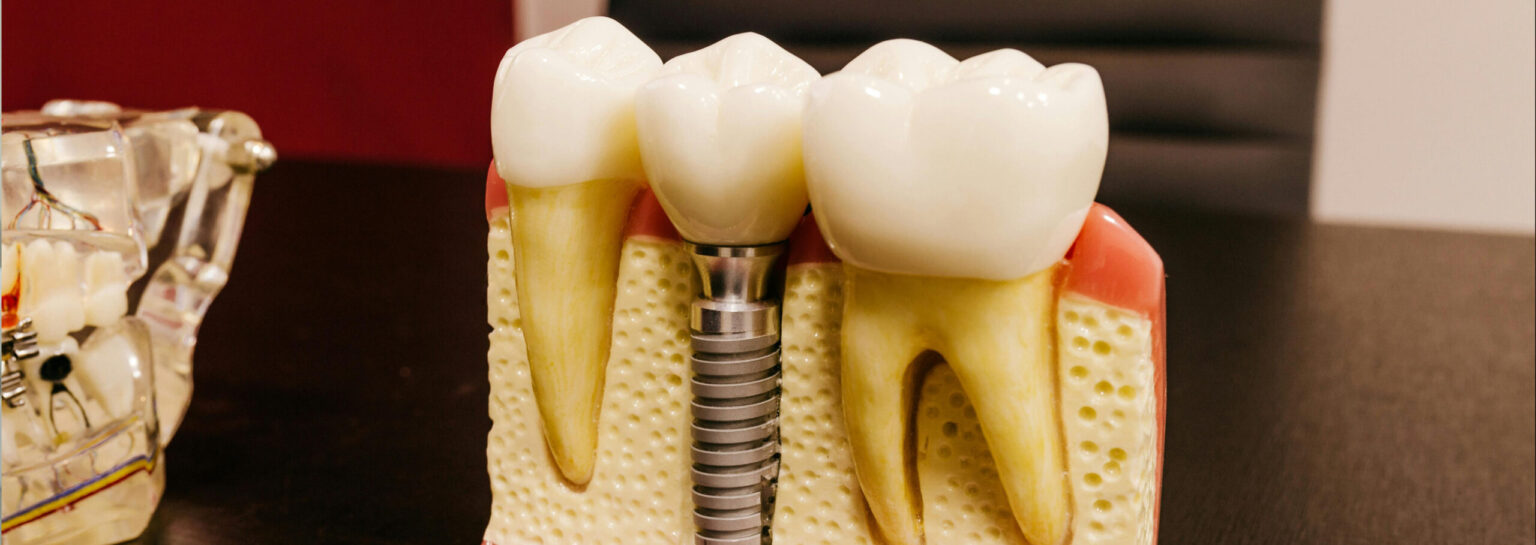
A dental crown is easy to describe and easy to misunderstand. Most people hear the word and picture a cap placed over a damaged tooth. That definition is technically right, but it misses the larger point. In a well-run dental practice, crowns are not isolated procedures. They are part of a broader strategy to preserve teeth, stabilize bites, protect prior dental work, and keep small problems from becoming expensive, painful ones.
That bigger picture matters because teeth rarely fail for a single reason. A cracked molar may also be carrying an old filling, absorbing heavy chewing pressure, and sitting next to gums that have started to recede. A front tooth may need a crown after trauma, but the real treatment plan could also involve root canal therapy, bite adjustment, and long-term monitoring. Crowns make the most sense when they are viewed as one tool in comprehensive dental care, not as a one-size-fits-all fix.
In practice, the best crown cases are not just about restoring shape. They are about restoring function, controlling risk, and buying time for the natural tooth.
What a crown actually does
A crown covers the visible part of a tooth above the gumline and is custom-made to match the tooth’s size, contour, and bite relationship. Done properly, it reinforces a weakened tooth and helps it handle normal chewing forces again. That sounds straightforward, but the real value is mechanical. Teeth that have lost a lot of structure become more likely to crack under repeated pressure. Large fillings, root canal treatment, deep decay, and fracture lines all increase that risk.
A crown changes how force travels through the tooth. Instead of asking a thin remaining wall of enamel or dentin to do all the work, the restoration distributes load more predictably. In the back of the mouth, where chewing pressure is greatest, that can make the difference between years of service and a sudden split tooth on a Tuesday dinner.
There is also a biological side to crown treatment. When a tooth has extensive damage, a direct filling may not seal or support it well enough for the long term. A crown can create a more controlled margin, improve contour, and help maintain cleaner contact with the neighboring teeth. That does not make it maintenance-free, but it often gives the tooth a better chance to stay healthy.
Why crowns matter in the bigger treatment plan
Comprehensive dental care looks at four things at once: disease control, structural stability, function, and appearance. Crowns can touch all four.
If a patient has active decay and inflamed gums, placing a beautiful crown on one tooth without addressing those basics is poor planning. The restoration may look excellent at delivery and still fail early because the environment around it is unhealthy. On the other hand, when decay is controlled, gums are stable, home care is solid, and the bite has been evaluated, a crown can become a durable part of a long-term plan.
This is where experience matters. A crown is often less about the single appointment and more about timing. Sometimes the right decision is to restore a tooth now because it is one hard pretzel away from fracture. Sometimes the better move is to delay, stabilize the gums, complete orthodontic treatment, or monitor a crack pattern before committing to a full-coverage restoration.
Patients often expect dentistry to be linear. Tooth hurts, dentist fixes tooth, problem ends. Real life is messier. One crown may protect a tooth, preserve arch balance, prevent drifting, and avoid a chain reaction that would eventually involve neighboring teeth. Seen that way, the crown is not merely a cap. It is part of how the whole mouth stays functional.
The situations where crowns earn their place
Crowns are especially useful when the remaining tooth structure is not strong enough for a filling alone. The classic example is a molar with a very large old silver or composite filling that has started to break down. If more than half the chewing surface has already been replaced, the natural cusps become vulnerable. Even if there is not active pain, those teeth often show craze lines, chipping, or sensitivity to biting.
Root canal-treated teeth are another common category. Once the nerve is removed, the tooth is not literally dead in the dramatic way people imagine, but it is more prone to structural failure if much of the original tooth has already been lost. Back teeth that have had root canal treatment often benefit from crowns because they still have to tolerate strong chewing forces every day.
Then there are fracture cases. Sometimes the tooth breaks suddenly after biting on something hard. More often, it has been developing a crack for years. Patients may describe a sharp zing when releasing pressure, or a vague soreness that comes and goes. If the crack has not extended too far below the gum or into the root, a crown can brace the tooth and reduce flexing. It does not erase every crack, but in the right case it can dramatically improve prognosis.
Cosmetic cases belong in the conversation too, though they deserve caution. Crowns can reshape severely worn, discolored, malformed, or heavily restored front teeth. Yet good comprehensive care does not jump to crowns when more conservative options would do. Veneers, bonding, whitening, or orthodontics may preserve more natural tooth structure. The right answer depends on the tooth, the smile line, the bite, and the patient’s priorities.
Crowns are not automatically the best answer
One of the more important truths in dentistry is that every crown costs something. To place one, the dentist must reduce the tooth so the restoration has space. That is a deliberate trade. The goal is to preserve the tooth for longer, but some healthy structure is removed in the process. Good clinicians do not take that lightly.
There are cases where an onlay, inlay, or well-designed filling is the wiser choice. If the damage is moderate rather than severe, a more conservative restoration can preserve more enamel. In younger patients, that matters. Teeth restored early in life may need replacement restorations over decades, and every cycle can become more complex.
There are also cases where the tooth is simply too compromised. If a fracture extends far below the gumline, or the remaining root support is poor, a crown may not be the most predictable investment. Patients deserve that honesty. A technically possible crown is not always a clinically sensible one.
That is why comprehensive care is inseparable from diagnosis. Before recommending a crown, a dentist should be thinking about the amount of remaining tooth, decay risk, periodontal health, bite forces, parafunctional habits like grinding, and whether the tooth is strategically important for the overall bite.
The role of crowns after root canal treatment
This question comes up constantly in practice: if the tooth no longer hurts after a root canal, why is a crown still needed?
The answer usually comes down to protection. The Dental Crowns root canal solves the infection inside the tooth. It does not rebuild the missing walls, seal the chewing surface for the long term, or make the tooth stronger. In fact, many root canal-treated teeth were already heavily damaged before the procedure began. They had deep decay, large fillings, or fractures that allowed bacteria to reach the nerve.
For front teeth, especially if little structure has been lost, a crown is not always necessary. For premolars and molars, it often is. Those teeth take the brunt of chewing load. Without full coverage, they can split months or even weeks after endodontic treatment. Every dentist who has practiced for a while has seen some version of this: the patient gets out of pain, postpones the crown because the tooth feels fine, then returns with a vertical fracture that cannot be saved.
That is not scare language. It is a predictable pattern. The root canal addresses infection. The crown addresses survivability.
Materials matter, but fit matters more
Patients are often most interested in what the crown will be made of. That is understandable. Material affects appearance, strength, thickness requirements, and cost. Common options include all-ceramic crowns, zirconia crowns, porcelain-fused-to-metal crowns, and gold or other metal alloys in selected cases.
Each has a place. A translucent ceramic may be ideal for a front tooth where esthetics dominate. Zirconia has become popular for posterior teeth because of its strength and improving esthetics. Porcelain-fused-to-metal crowns have a long track record, though they can sometimes show a dark margin over time. Gold remains one of the most forgiving and durable restorative materials ever used in the back of the mouth, even if few patients request it for cosmetic reasons.
Still, the material does not rescue a poorly planned case. Marginal fit, bite design, the amount of tooth reduction, and the quality of cementation often matter more than the brand name or trend factor. A beautifully marketed crown that is too high in the bite, over-contoured near the gum, or seated on a tooth with unresolved decay is not a premium treatment. It is a future replacement case.
How crowns intersect with gum health and bite stability
A crown lives in close relationship with the gums. If its margins are rough, poorly adapted, or placed without regard to biological width and cleanability, the tissue will often tell the story first. Bleeding, puffiness, food trapping, and persistent tenderness around a crowned tooth usually point to something that needs attention, whether it is hygiene, crown contour, cement remnants, or the edge of the restoration itself.
This is one reason comprehensive care starts before the crown appointment. If the gums are inflamed, the impression or digital scan can be less accurate. If there is active periodontal disease, placing a definitive crown before controlling it can compromise the Dental Crowns Omni Dental Specialty result. Healthy tissue makes better restorative dentistry possible.
The bite is equally important. A crown that looks perfect on a model can still fail in a real mouth if the forces are wrong. Patients who clench or grind, especially at night, can put extraordinary load on individual teeth. Sometimes the crown is still the right treatment, but it should be paired with bite adjustment, wear analysis, and often a night guard.
A few warning signs deserve extra respect:
- repeated chipping of fillings or crowns on the same side
- flattened chewing surfaces or shortened front teeth
- jaw soreness or morning tension
- notches near the gumline from stress and abrasion
- hairline cracks visible under good light
When those patterns show up, the dentist should not only ask how to restore the tooth, but why the tooth is breaking down in the first place.
The appointment is only part of the story
Modern crown treatment is usually efficient. In many offices, it begins with local anesthesia, removal of decay or weak filling material, tooth preparation, and a scan or impression. Some practices offer same-day crowns milled in-office, while others work with dental laboratories and place a temporary crown before the final one is delivered.
From the patient’s perspective, that can feel like the whole treatment. In reality, it is only the visible part. Case planning, radiographic review, evaluation of cracks, shade selection, laboratory communication, and bite refinement all shape the outcome. The most successful crowns usually come from careful thinking before the handpiece ever touches the tooth.
Temporary crowns deserve more respect than they get. A loose or broken temporary can allow tooth movement, sensitivity, gum irritation, or contamination. Patients often assume that because it is temporary, it does not matter much. It matters a great deal. Even a millimeter of drift can complicate seating of the final restoration.
What patients should ask before agreeing to a crown
Not every patient wants technical detail, but a few practical questions can clarify whether a crown recommendation fits a thoughtful plan. These are the conversations that tend to lead to better decisions and fewer regrets.
- How much healthy tooth structure remains, and why is a filling not enough?
- Is the tooth cracked, root canal-treated, or weakened in a way that changes urgency?
- What material do you recommend for this location, and why?
- How will this affect my bite, especially if I clench or grind?
- What are the realistic alternatives, including doing nothing for now?
A dentist should be able to answer these plainly. If the explanation starts and ends with “the tooth needs a crown,” the discussion is incomplete.
When crowns support larger restorative and cosmetic plans
Crowns often play a supporting role in broader care. A patient rebuilding a worn dentition may need multiple crowns to re-establish proper bite height and chewing efficiency. Someone replacing a missing tooth with an implant may need crowns on adjacent teeth if they are already heavily restored or structurally compromised. In full-mouth rehabilitation, crowns can become the architecture that allows the rest of the plan to function.
Cosmetically, crowns can also be part of a smile redesign, but restraint matters. Some of the least satisfying cases are the ones where healthy front teeth were aggressively prepared for crowns when minor orthodontics and bonding would have delivered a more conservative result. Comprehensive care is not about how much dentistry can be done. It is about how little dentistry is needed to achieve a stable, attractive, functional outcome.
There is a practical financial dimension too. Crowns are not inexpensive, and they should not be recommended casually. Yet postponing the right crown can become more costly if the tooth later fractures beyond repair. I have seen patients save money in the short term by delaying treatment, only to face extraction, bone grafting, and implant costs later. I have also seen patients rushed into crowns that could have waited. Judgment lives in that middle ground.
Longevity depends on what happens after placement
A crown can last many years, often well over a decade, but no honest clinician should present longevity as guaranteed. Some crowns fail early because of recurrent decay, cement washout, poor oral hygiene, or uncontrolled bite forces. Others last remarkably well because the tooth was appropriately selected, the margins stayed clean, and the patient maintained regular care.
The day the crown is cemented is not the finish line. Patients still need to brush thoroughly at the gumline, floss or clean interproximally, and return for exams. Decay can form at the edge of a crown just as it can around a filling. In patients with dry mouth, frequent snacking, reflux, or high bacterial load, the risk can be substantial.
Night guards deserve special mention. For grinders, a custom guard is often the difference between a crown that holds up and one that chips, loosens, or cracks. Some patients resist because they assume the guard is optional upselling. In many cases, it is basic risk management.
The best crown is the one that fits the patient, not just the tooth
Dentistry works best when treatment recommendations reflect the actual person in the chair. A flawless ceramic restoration means little if the patient cannot maintain it, cannot tolerate long appointments, or is already struggling with untreated gum disease. Likewise, a structurally ideal crown plan may need to be staged if finances are tight or if several urgent problems compete for attention.
That is another reason crowns belong inside comprehensive care. They require prioritization. Sometimes the right plan is to crown the most vulnerable tooth now, address decay elsewhere next, and revisit elective cosmetic work later. Sometimes the right answer is to stabilize a painful tooth with a temporary measure, then step back and design a full-mouth strategy instead of restoring each tooth in isolation.
Dental crowns are at their best when they are used thoughtfully, conservatively, and with a clear understanding of how that one tooth fits into the health of the whole mouth. When that happens, the crown is not just a repair. It becomes part of a larger effort to preserve comfort, function, and confidence for the long run.
Omni Dental Specialty
1690 E Gonzales Rd, Oxnard, CA 93036, United States
+1 805-410-9603
FAQ About Dental Crowns
How long do crowns last on teeth?
A dental crown often lasts about five to fifteen years, although some last longer. Material, the underlying tooth, oral hygiene and grinding habits affect longevity. Regular dental examinations help identify wear, decay or a loose crown; no lifespan is guaranteed.
How much does a tooth crown cost?
There is no single price for every crown. Material, laboratory work, the condition of the tooth and any additional treatment affect the fee. Ask for a written estimate and confirm your insurance benefits, exclusions and out-of-pocket costs before treatment.
What is the downside of crowns on teeth?
A conventional crown usually requires irreversible removal of some tooth structure. Possible problems include sensitivity, chipping, loosening and decay at the crown margin; some teeth later need root canal treatment. Discuss your tooth's condition, material choices and suitable alternatives with your dentist.